When it comes to designing and installing HVAC systems, one of the most important components is the ducting. Ducting plays a crucial role in delivering heated or cooled air throughout a building, ensuring proper ventilation and comfort for occupants. One innovative method of installing ducting that is gaining popularity in commercial and industrial settings is suspended ducting.
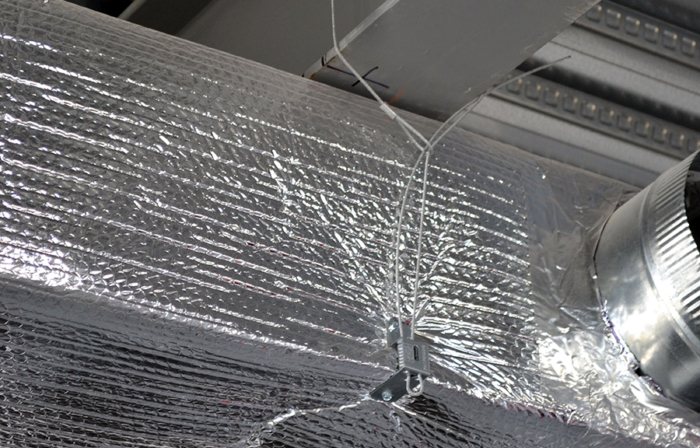
suspended ducting refers to the practice of hanging ductwork from the ceiling, rather than installing it directly on the floor or walls. This approach offers a range of benefits that make it an attractive option for many HVAC projects. In this article, we will explore the advantages of suspended ducting and why it may be the right choice for your next HVAC installation.
Improved Airflow and Efficiency
One of the primary benefits of suspended ducting is improved airflow within the HVAC system. By hanging the ductwork from the ceiling, you can design a more direct and efficient path for the heated or cooled air to travel through the building. This can help to minimize pressure drops and ensure that the air is distributed evenly throughout the space, improving comfort and reducing energy consumption.
Additionally, suspended ducting allows for more flexibility in the design of the HVAC system. It is easier to route ductwork around obstacles and optimize the layout for maximum efficiency. This can result in a system that operates more smoothly and effectively, providing better indoor air quality and overall comfort for building occupants.
Space Savings
Another advantage of suspended ducting is that it can help to save valuable floor space in a building. By hanging the ductwork from the ceiling, you can avoid taking up room on the floor or walls, allowing for more usable space in the interior. This can be particularly beneficial in commercial and industrial settings where space is at a premium and every square foot counts.
In addition to freeing up floor space, suspended ducting can also make it easier to access other building systems, such as electrical wiring or plumbing. Since the ductwork is mounted overhead, it is out of the way and does not obstruct access to other components. This can streamline maintenance and repairs, making it easier to keep your building running smoothly.
Aesthetic Appeal
From a design perspective, suspended ducting can also offer aesthetic benefits. By hanging the ductwork from the ceiling, you can create a clean and modern look that complements the overall design of the space. This can be particularly important in settings where aesthetics are a priority, such as office buildings, retail stores, or restaurants.
Additionally, suspended ducting can be customized to fit the aesthetic of the building. Ductwork can be painted or finished to match the decor, or even hidden behind ceiling panels for a seamless appearance. This level of customization can help to create a more cohesive and attractive interior environment, enhancing the overall appeal of the space.
Cost-Effectiveness
Finally, suspended ducting can be a cost-effective option for many HVAC projects. While the initial installation may require more materials and labor compared to traditional ductwork, the long-term benefits can outweigh the upfront costs. The improved efficiency of suspended ducting can lead to energy savings and lower operating costs over time, making it a wise investment for building owners.
Additionally, the space savings and ease of maintenance associated with suspended ducting can help to reduce overall operational expenses. By maximizing floor space and simplifying access to other building systems, you can minimize downtime and reduce the need for costly repairs. This can result in a lower total cost of ownership for the HVAC system, making it a cost-effective choice in the long run.
In conclusion, suspended ducting offers a range of benefits that make it an attractive option for HVAC installations. From improved airflow and efficiency to space savings and aesthetic appeal, there are many reasons to consider this innovative approach to ductwork design. Whether you are designing a system for a commercial building, industrial facility, or residential property, suspended ducting can offer a practical and cost-effective solution for your HVAC needs.